
















The automotive industry is experiencing its most significant transformation since the invention of the internal combustion engine, with 2025 marking a pivotal year for revolutionary engineering advancements. Global electric vehicle sales are projected to reach 17 million units in 2025, representing a 25% increase from previous years, while autonomous driving technology reaches new levels of sophistication and market readiness. From advanced battery technologies and AI-powered systems to sustainable manufacturing processes and connected vehicle ecosystems, automotive engineers are reimagining every aspect of vehicle design, production, and operation. These emerging trends are not just reshaping individual vehicles but transforming entire transportation ecosystems, creating new opportunities for innovation, efficiency, and environmental sustainability that will define the next decade of automotive development.
Electric Vehicle Technology Advancement
Next-Generation Battery Systems
Solid-state batteries are transitioning from laboratory prototypes to production-ready solutions, offering energy densities 50% higher than current lithium-ion technology while dramatically reducing charging times. These advanced battery systems provide improved safety through reduced fire risk, extended lifespan with minimal degradation over 300,000 miles, and enhanced performance in extreme temperatures. Silicon nanowire anodes and lithium-metal cathodes are enabling faster charging capabilities, with some systems reaching 80% capacity in under 10 minutes.
Wireless and Ultra-Fast Charging Infrastructure
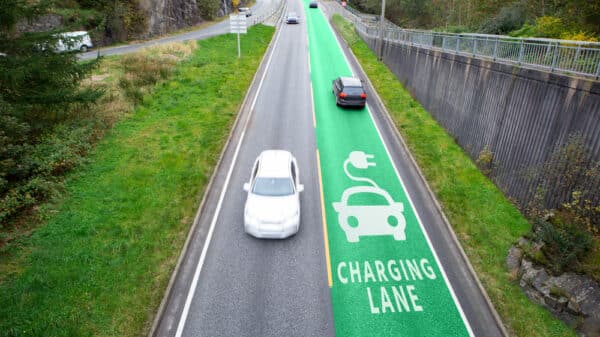
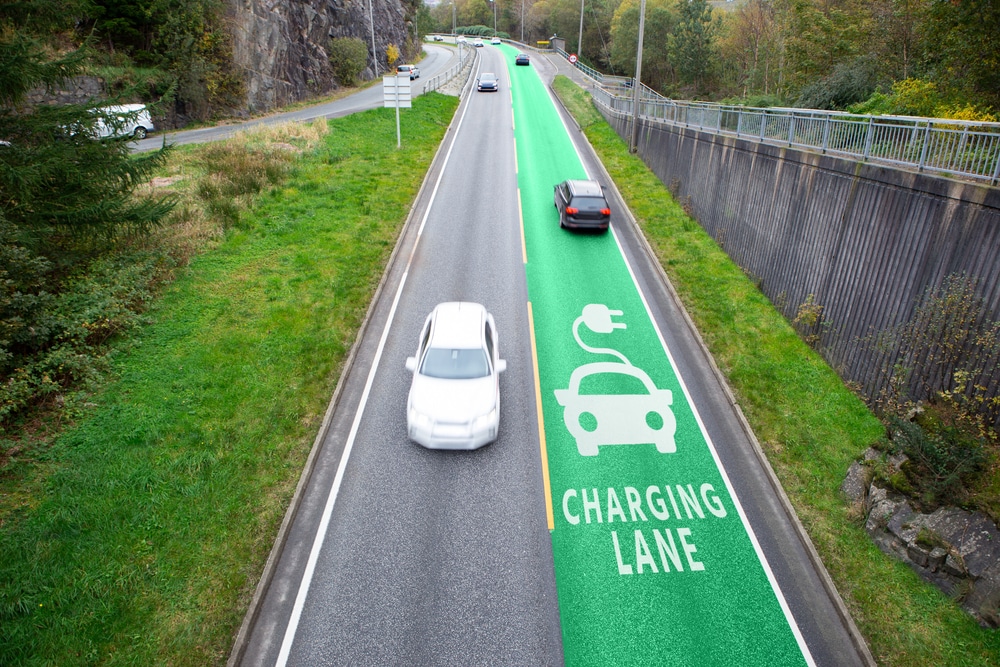
Inductive charging systems are becoming commercially viable for both stationary and dynamic charging applications. Static wireless charging pads integrated into parking spaces and garages eliminate the need for physical connections, while dynamic charging systems embedded in roadways enable vehicles to charge while driving. Ultra-fast charging networks supporting 350kW+ charging rates are expanding globally, making long-distance electric vehicle travel increasingly practical.
Advanced Thermal Management
Sophisticated thermal management systems optimize battery performance and longevity through precise temperature control using heat pumps, liquid cooling circuits, and phase-change materials. These systems maintain optimal operating temperatures across varying environmental conditions while minimizing energy consumption for climate control, extending driving range by up to 15% in extreme weather conditions.
Autonomous Driving and AI Integration
Level 4 and 5 Autonomous Systems
Advanced autonomous driving systems are approaching full deployment, with Level 4 automation (high automation) becoming available in specific geographic areas and controlled environments. These systems combine LiDAR, radar, computer vision, and AI processing to navigate complex traffic scenarios without human intervention. Machine learning algorithms continuously improve performance through over-the-air updates and fleet learning from millions of driving miles.
Edge Computing and Real-Time Processing
Automotive edge computing systems process massive amounts of sensor data locally within vehicles, enabling real-time decision-making for autonomous functions. High-performance computing platforms integrate multiple AI accelerators, graphics processors, and specialized automotive chips that can process terabytes of data per hour while maintaining automotive-grade reliability and safety standards.
Predictive Maintenance and Diagnostics
AI-powered predictive maintenance systems analyze vehicle sensor data, driving patterns, and environmental conditions to predict component failures before they occur. These systems optimize maintenance schedules, reduce unexpected breakdowns, and extend component lifespans through proactive interventions and personalized maintenance recommendations.
Advanced Materials and Manufacturing
Lightweight Composite Materials
Carbon fiber reinforced plastics, aluminum alloys, and advanced high-strength steels are becoming standard in vehicle construction, reducing weight by 20-30% while maintaining structural integrity. These materials enable improved fuel efficiency, enhanced performance, and better crash safety through engineered crumple zones and energy absorption characteristics.
3D Printing and Additive Manufacturing
Large-scale 3D printing enables rapid prototyping, customized component production, and on-demand spare parts manufacturing. Metal 3D printing produces complex engine components, structural elements, and custom tooling with reduced material waste and shortened development cycles. This technology particularly benefits low-volume vehicle production and specialized applications.
Sustainable Manufacturing Processes
Automotive manufacturers are implementing closed-loop manufacturing systems that minimize waste, reduce energy consumption, and incorporate recycled materials. Advanced robotics and AI-powered quality control systems optimize production efficiency while ensuring consistent quality standards throughout the manufacturing process.
Connected Vehicle Technology and IoT
Vehicle-to-Everything (V2X) Communication
V2X technology enables vehicles to communicate with infrastructure, other vehicles, pedestrians, and cloud services in real-time. This connectivity improves traffic flow, enhances safety through collision avoidance, and optimizes route planning based on real-time conditions. Smart traffic management systems use V2X data to reduce congestion and improve urban mobility.
Over-the-Air Updates and Remote Diagnostics
Comprehensive over-the-air update capabilities allow manufacturers to continuously improve vehicle performance, add new features, and fix software issues without requiring service visits. Remote diagnostics systems monitor vehicle health, predict maintenance needs, and troubleshoot problems remotely, improving customer satisfaction and reducing service costs.
Integrated Infotainment and User Experience
Advanced infotainment systems provide seamless integration with smartphones, smart home devices, and cloud services. Voice recognition, gesture controls, and eye-tracking interfaces create intuitive user experiences while minimizing driver distraction through intelligent interface design and context-aware functionality.
Advanced Electronics and Sensor Systems
High-Precision Sensor Integration
Modern vehicles incorporate dozens of sensors including cameras, radar units, ultrasonic sensors, and LiDAR systems that require precise calibration and integration. These sensors generate massive amounts of data that must be processed in real-time for autonomous driving, safety systems, and vehicle operation optimization. Companies specializing in automotive electronics, such as Crane Electronics, provide essential components and systems that enable accurate sensor data collection and processing across various automotive applications.
Electronic Control Unit (ECU) Consolidation
Advanced automotive architectures are consolidating multiple ECUs into fewer, more powerful domain controllers that manage entire vehicle systems. This approach reduces complexity, improves communication between systems, and enables more sophisticated vehicle-wide optimization and coordination.
Cybersecurity and Data Protection
As vehicles become increasingly connected, cybersecurity measures protect against remote attacks, data theft, and system manipulation. Multi-layered security systems include encrypted communications, secure boot processes, intrusion detection systems, and regular security updates to maintain protection against evolving threats.
Sustainable and Alternative Powertrains
Hydrogen Fuel Cell Development
Hydrogen fuel cell technology is advancing rapidly, particularly for heavy-duty vehicles, commercial transportation, and long-range applications. New fuel cell systems offer improved efficiency, reduced costs, and faster refueling compared to battery electric alternatives for specific use cases.
Hybrid System Optimization
Advanced hybrid powertrains combine internal combustion engines with electric motors in sophisticated configurations that optimize efficiency across different driving conditions. These systems use predictive algorithms to manage power distribution based on route planning, traffic conditions, and driver behavior patterns.
Alternative Fuel Integration
Engineering teams are developing vehicles capable of operating on renewable fuels including synthetic gasoline, biodiesel, and hydrogen-derived fuels. These alternative powertrains provide transitional solutions while electric vehicle infrastructure develops and offer sustainability benefits for existing vehicle fleets.
Safety and Driver Assistance Systems
Advanced Driver Assistance Systems (ADAS)
Next-generation ADAS features include enhanced automatic emergency braking, adaptive cruise control with lane-changing capabilities, and blind-spot monitoring with active intervention. These systems use sensor fusion and AI processing to provide comprehensive safety coverage while maintaining natural driving experiences.
Crash Avoidance and Mitigation
Sophisticated crash avoidance systems predict potential collisions seconds before they occur, enabling proactive safety measures including automatic braking, steering correction, and passenger protection system preparation. These systems analyze driver behavior, vehicle dynamics, and environmental conditions to prevent accidents before they happen.
Occupant Protection Innovation
Advanced airbag systems, seat belt pre-tensioners, and energy-absorbing structures adapt protection strategies based on crash severity, occupant size, and seating position. Smart materials and sensors enable personalized protection that optimizes safety outcomes for different body types and crash scenarios.
Frequently Asked Questions
How will solid-state batteries impact electric vehicle adoption in 2025?
Solid-state batteries will significantly accelerate EV adoption by addressing range anxiety and charging time concerns. These batteries offer 300+ mile ranges, 10-minute charging to 80% capacity, improved safety, and longer lifespans. While initially more expensive, declining costs and superior performance will make them increasingly attractive to consumers.
What level of autonomous driving will be available to consumers in 2025?
Level 3 and Level 4 autonomous systems will be available in specific markets and conditions. Level 3 systems handle highway driving and traffic jams with driver supervision, while Level 4 systems operate without driver intervention in designated areas. Full Level 5 autonomy remains in development for broader deployment.
How do V2X communication systems improve road safety?
V2X systems enable vehicles to share information about hazards, traffic conditions, and intentions with other vehicles and infrastructure. This communication prevents accidents by alerting drivers to hidden dangers, coordinating traffic flow, and enabling cooperative safety maneuvers that individual vehicles cannot perform alone.
What are the main challenges facing automotive electronics integration?
Key challenges include managing electromagnetic interference, ensuring reliable operation in harsh automotive environments, maintaining cybersecurity across connected systems, and integrating diverse electronic components from multiple suppliers while maintaining safety and performance standards.
How will over-the-air updates change vehicle ownership?
OTA updates will transform vehicles into continuously improving platforms, adding new features, enhancing performance, and fixing issues remotely. This capability extends vehicle lifespans, reduces service visits, and enables manufacturers to provide ongoing value to customers throughout the ownership experience.
Conclusion
The automotive engineering trends of 2025 represent a fundamental transformation that extends far beyond traditional mechanical systems to encompass advanced electronics, artificial intelligence, and sustainable technologies. From revolutionary battery systems and autonomous driving capabilities to connected vehicle ecosystems and advanced manufacturing processes, these innovations are reshaping every aspect of vehicle design, production, and operation.
Success in this rapidly evolving landscape requires automotive engineers to master interdisciplinary skills spanning electrical engineering, software development, materials science, and systems integration. The convergence of electrification, automation, and connectivity creates unprecedented opportunities for innovation while demanding new approaches to safety, reliability, and cybersecurity.
As the automotive industry continues its transformation throughout 2025, companies that embrace these technological trends while maintaining focus on safety, sustainability, and user experience will lead the development of next-generation transportation solutions. The future of automotive engineering lies in the seamless integration of advanced technologies that enhance mobility while reducing environmental impact and improving quality of life for drivers and communities worldwide.