










For many car enthusiasts, owning a vehicle, particularly a high-performance or exotic model, is an aspirational goal. However, the journey to car ownership can be riddled with pitfalls that might turn that aspiration into a regrettable experience. Here are five typical errors made by car enthusiasts and how to steer clear of them.
Overestimating Capabilities with High-Performance Vehicles
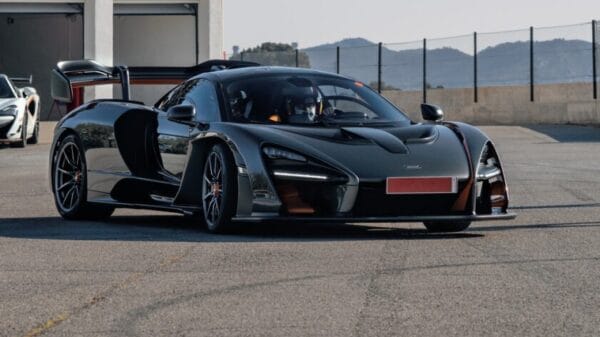
High-performance vehicles are designed for speed and precision, providing exhilarating driving experiences; however, they require a skilled driver at the controls. Many enthusiasts, eager to experience the thrill, jump into vehicles with capabilities that far exceed their expertise, often leading to situations they’re unprepared for.
The outcome? Dings on the car, dents in their confidence, and sometimes, much worse.
A casual browse of car forums reveals countless videos showcasing drivers who are clearly outmatched by their vehicles, frequently resulting in these moments being immortalized as memes and turning them into the punchline among car enthusiasts worldwide.
Rather than approaching the road as if it’s your private racetrack, it’s wiser to enroll in a performance driving course or initially choose a vehicle that doesn’t make you feel like you’re dealing with a feral beast each time you accelerate.
Neglecting Maintenance Expenses for Exotic or High-Performance Cars
Luxury vehicles not only have a high visual appeal but also require costly upkeep, as previously discussed. Are new tires needed? That could set you back thousands. For routine service, don’t count on your local mechanic; you’ll need to consult a specialist, and their rates reflect their expertise.
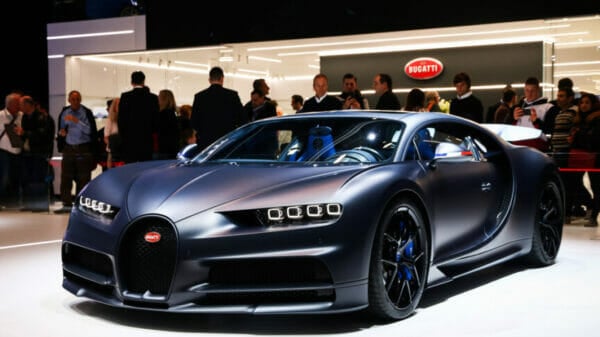
For instance, changing the oil in a Bugatti Veyron can cost a staggering $21,000. In comparison, an oil change for a Toyota Corolla sits at a mere $80, prompting a reassessment of your choices.
The key takeaway? Investigate maintenance expenses prior to sealing the deal, and plan your budget for the ongoing needs of your dream vehicle. Owning such a car entails more than just the initial purchase price; you must also factor in the costs associated with keeping it in prime condition.
Choosing Style or Speed Over Reliability
For some enthusiasts, aesthetics take precedence above all else.
However, how beneficial is an eye-catching car if it finds itself in the shop more often than on the road? Opting for looks or performance over usability can lead to complications, particularly with regular breakdowns or aftermarket enhancements that are poorly executed.
Consider vehicles with extensive modifications. While they may grab attention at car shows, those alterations can significantly affect reliability, potentially leaving you with a car that presents more challenges than rewards.
This is especially problematic for enthusiasts in colder regions who rely on a rear-wheel-drive car. Winter travel becomes a serious hassle, which is part of why you won’t see many muscle cars or high-performance rear-wheel-drive vehicles on the road during the colder months.
Remember: at times, it’s more valuable to possess a vehicle that you can actually drive rather than one that merely looks appealing parked in your driveway.
Purchasing Beyond Your Financial Means / Misjudging Depreciation and Financing Risks
Depreciation alone can leave you in a situation where you owe significantly more than your vehicle is worth, leading to a daunting financial predicament that can be hard to escape.
For example, consider a brand-new BMW M3, which may originally cost $75,000 but could drop to around $55,000 within a year. If you have a monthly payment of $1,200, you might still owe over $60,000 on that car. This $5,000 deficit leaves you in a financially precarious position, especially if you’re looking to sell or trade it in.
While there are numerous loan options available, it’s crucial to ensure they align with the right needs to avoid mismanagement. For individuals considering alternative loans for any purpose, understanding the financial implications is vital. Companies like Montana Capital provide title loans, which allow you to use your car as security and borrow as much as $50,000. Although this can offer immediate cash, it poses the risk of forfeiting your vehicle if payments fall behind. When you combine rapid depreciation with other leveraged financing methods, it creates a scenario that could lead to regret.
Always perform the calculations thoroughly.
Pursuing Trends Instead of Personal Tastes / The Modification Trap
The cycle of modification can be quite tricky. It can begin with a minor enhancement, leading to an accumulation of aftermarket components that may not fit well or function optimally together. Instead, aim for deliberate modifications that boost your car’s performance and individuality, while remaining aligned with your personal tastes.
It’s essential to recognize that not all modification parts are created equally. Even reputable brands like LibertyWalk necessitate a solid understanding of bodywork to ensure the components integrate seamlessly. The same goes for performance enhancements like ECU tuning; if modifications are hastily combined, they can lead to severe damage and even greater expenses in the long run.
Moreover, some modifications yield diminishing returns on power increases. There are numerous marketing strategies out there, with certain brands making dubious claims about how significantly a new intercooler or cold air intake would enhance power. In some instances, such mods could even lead to a reduction in performance. With the term “butt dyno” being prevalent, it’s easy to trick yourself into believing that each tweak is indispensable. It’s crucial to conduct thorough research to ensure that modifications are a worthwhile investment of your finances and time.
Owning a vehicle should be a source of joy and thrill, rather than anxiety and financial burden. Steer clear of these frequent missteps by planning ahead, maintaining realistic expectations, and reminding yourself of the passion that initially drew you to automobiles. With careful consideration and a touch of realism, you can keep your automotive aspirations alive and thriving.
Image Source: Brandon Woyshnis / Shutterstock